Ageing is a natural biological process, and cognitive changes are a normal part of it. While many people associate ageing mainly with physical signs, mental performance also evolves over time. These shifts are highly individual and influenced by lifestyle, stress, sleep quality, environment and long-term habits — not just age itself.
Below is a clear, science-aligned overview of why cognitive abilities may change as we get older, how we typically experience these changes, and what recent research reveals about the ageing brain.
Why Do Cognitive Abilities Change With Age?
Cognitive abilities include attention, memory, learning, processing speed, decision-making and problem-solving. Several natural mechanisms influence them over the years:
1. Slower Information Processing
The brain may take slightly longer to interpret and respond to information. Intelligence does not decline — the pace simply becomes more deliberate.
2. Shifts in Neurotransmitter Activity
Ageing is associated with changes in neurotransmitter systems related to alertness, motivation and focus.
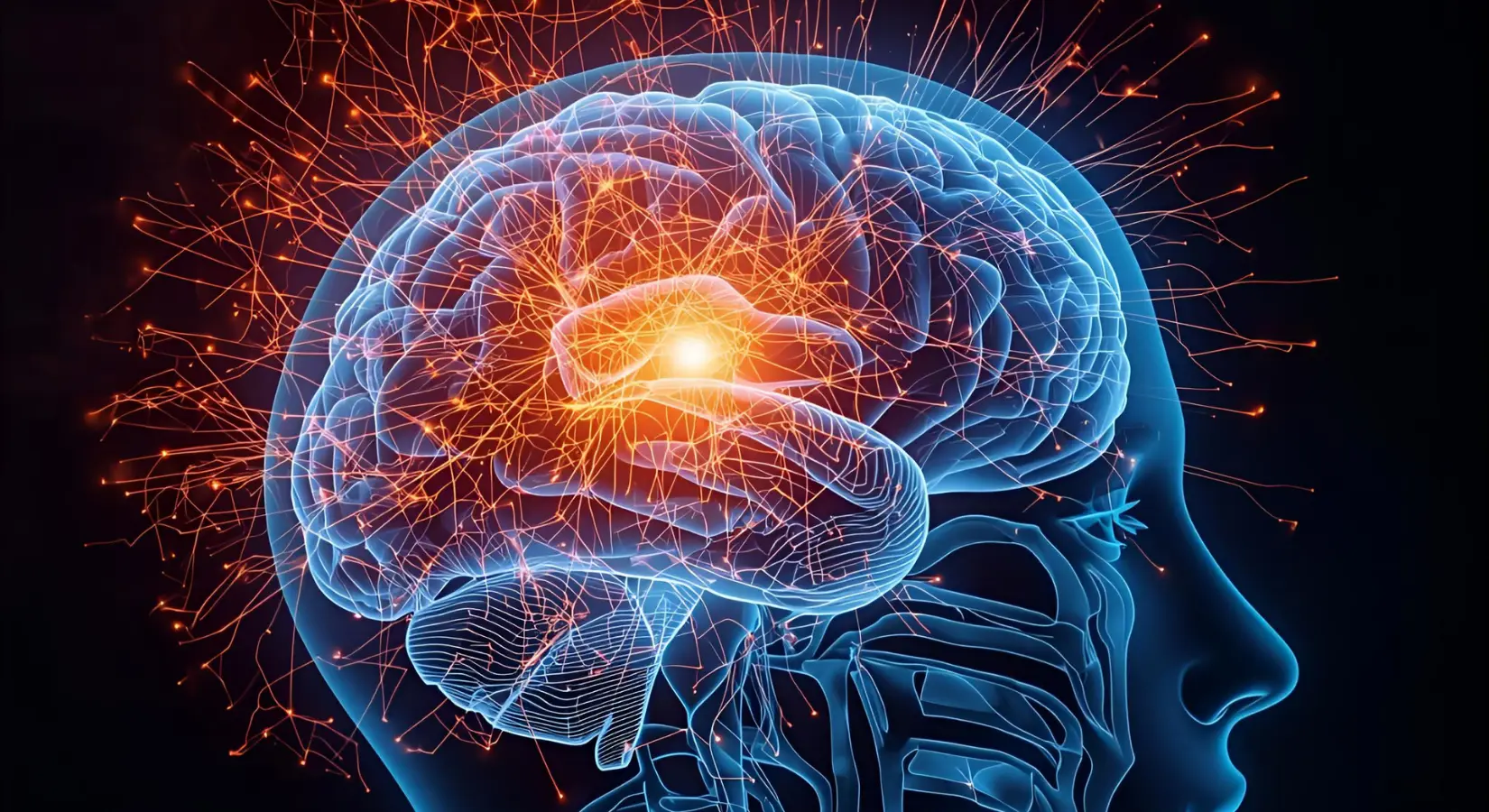
3. Structural Changes in the Brain
Certain brain regions naturally undergo gradual changes in volume and neuronal efficiency, influencing memory retrieval and clarity.
4. Long-Term Stress Load
Chronic stress accumulated over years can contribute to mental fatigue and reduced attention capacity.
5. Changes in Sleep Architecture
Adults may get less deep sleep, meaning less overnight cognitive recovery.
6. Sensory Decline
Reduced vision or hearing can make cognitive tasks more demanding, as the brain must compensate.
How Do We Notice These Cognitive Changes?
Cognitive changes appear gradually and subtly. People often describe them through everyday experiences:
1. Difficulty sustaining focus
Concentration may require more conscious effort.
2. Occasional lapses in working memory
Losing the thread of a conversation or task is increasingly common.
3. Slower recall of names or details
Information is still present — retrieval simply takes longer.
4. Quicker mental fatigue
Long periods of thinking or multitasking feel more demanding.
5. Increased distractibility
External stimuli interrupt concentration more easily.
6. Need for more structure
Planning and organising tasks can require more deliberate thought.
These shifts are completely normal and do not indicate cognitive decline — only changes in how the brain allocates energy.
Interesting Insights From Recent Research
Recent scientific studies reveal several surprising and encouraging observations:
1. Neuroplasticity continues throughout life
The brain remains capable of forming new connections, learning skills and adapting well into later adulthood.
2. Cognitive ageing is not uniform
Some abilities decline with age, but others — such as vocabulary, emotional regulation, pattern recognition and strategic thinking — often improve.
3. Processing speed changes earlier than memory
Research suggests that processing speed may begin to shift in the late 20s to mid-30s, long before noticeable memory changes appear.
4. Stress impacts cognition more than age alone
Long-term stress is a stronger predictor of cognitive fatigue than chronological age.
5. Sleep quality matters more than sleep quantity
Deep sleep stages, not total hours, are most strongly associated with next-day mental clarity.
6. Social interaction supports cognitive health
Meaningful conversation, even brief daily interactions, is associated with better verbal and memory performance.
7. Nutrition influences the brain through the gut-brain axis
Research highlights links between balanced nutrition and cognitive processes through microbiome–brain communication pathways.

Can We Influence Cognitive Ageing?
While we cannot stop ageing, we can influence how we experience it. Evidence suggests that cognitive wellbeing is supported by:
- regular physical activity
- consistent sleep routines
- balanced nutrition
- stress management
- lifelong learning and mental stimulation
- social interaction
Natural compounds such as caffeine, L-theanine, Bacopa monnieri, ginkgo, Rhodiola, ginseng and Lion’s Mane are often explored in the context of cognitive processes, though their effects depend on individual factors and extract quality.
(This section is informational and does not represent a health claim.)
Summary
Cognitive changes with age are not a sign of decline — they are part of a natural, highly individual shift in how the brain prioritises tasks.
Most people notice subtle differences in processing speed, focus and mental stamina long before any significant memory changes occur.
Understanding these mechanisms — and the insights from modern research — helps make these shifts less confusing and empowers us to support cognitive wellbeing through lifestyle, habits and daily mental nourishment.